As seen on

Curious what a treatment at VIVA looks like? Watch our treatment demonstration below with the full treatment process with before and afters.

Dr Rupert Critchley MD · Founder, VIVA Skin Clinics · JCCP member
Two of the most common safety questions we’re asked about laser hair removal are “can you get laser hair removal while pregnant?” and “can laser hair removal cause cancer?”. Both are completely understandable. This guide explains what the evidence says, our approach at VIVA, what to do if you had laser before you knew you were pregnant, when you can restart after having a baby, and who shouldn’t have laser.
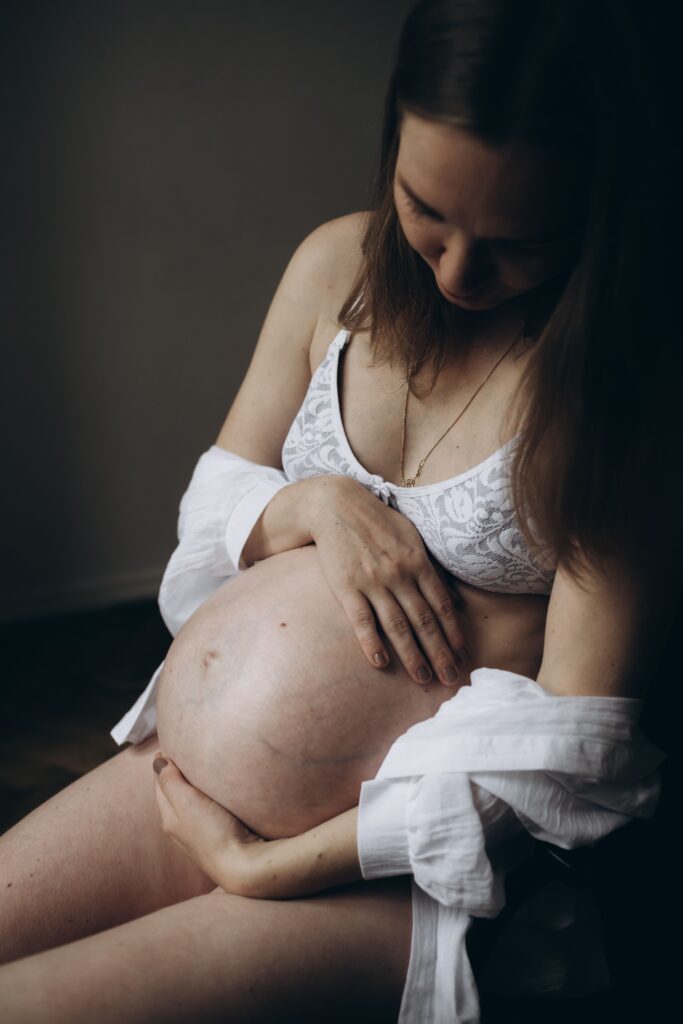
At VIVA, we don’t carry out laser hair removal during pregnancy, and most reputable clinics take the same approach. There’s no evidence that laser hair removal harms an unborn baby: the light only reaches the hair follicles in the skin. But laser hasn’t been studied in pregnancy, so the standard medical approach is to wait until after your baby is born.
There are also practical reasons to pause your course:
Many women notice extra hair growth during pregnancy, especially on the stomach, face, breasts and back. This is caused by hormones and often reduces in the months after birth. Until then, safe options include shaving, trimming and threading. Check with your midwife before using hair removal creams. At-home IPL devices shouldn’t be used in pregnancy either: see at-home laser hair removal.
Try not to worry. There’s no evidence that laser hair removal is harmful in pregnancy. Let us know as soon as you can so we can pause your course, and mention it to your midwife or GP if you’d like reassurance. Your remaining sessions can be kept on hold until after your baby is born.
There’s no evidence that laser hair removal affects fertility or conception. Some people choose to pause treatment while actively trying, or during IVF, for peace of mind. Tell your therapist if you’re trying for a baby, so we can plan your sessions around it. If hormone-driven hair is linked to PCOS, read will laser hair removal work for PCOS?
There’s no evidence that laser affects breast milk, but skin can still be more sensitive and hormones are still settling, which can affect results. Speak to us first; we’ll advise based on your circumstances. We generally avoid treating the breast area while breastfeeding.
Many people restart a few months after giving birth, once hormones have settled and any pregnancy pigmentation has faded. Your therapist will check your skin before you restart. Your package can usually be paused until you’re ready. Winter is a good time to restart: see how many sessions, and why winter is the time to start. For post-pregnancy stretch marks, read stretch marks: causes and treatments.
There’s no evidence that laser hair removal causes cancer. Here’s why:
Lasers shouldn’t be used over moles, suspicious skin lesions or tattoos. Your therapist will avoid or cover them. If you have a mole that has changed in size, shape or colour, see your GP before treatment. Laser isn’t a treatment for skin cancer and doesn’t hide or prevent it.
If you’re having or have recently had cancer treatment, speak to your oncology team before laser. Some treatments make skin more sensitive to light.
When carried out by trained therapists with the right laser for your skin, laser hair removal is a well-established treatment. Common side effects are mild and temporary, such as redness, warmth and swelling around the follicles. Less commonly, burns, blistering or pigment changes can occur, which is why assessment, correct settings and patch testing matter. Read how laser hair removal works and 8 things to check before choosing a laser clinic.
Treatment may not be suitable, or may need to wait, if you:
Your therapist will review your medical history at your free consultation.
We offer laser hair removal at our Chelsea clinic (558 Kings Road, SW6) and our Tunbridge Wells clinic (38 High Street, TN1 1XF). Prices start from £40 per session. See how much laser hair removal costs, laser hair removal in London and laser hair removal in Tunbridge Wells.
Every treatment at VIVA is carried out by qualified nurses and doctors, so you’re in safe, experienced hands from consultation to aftercare.
Consultations are always free, giving you the chance to talk through your goals, ask questions and get an honest recommendation before you commit. Payment plans are also available across our treatments with Clearpay and Klarna.
You’ll find us at three clinics, with a fourth opening in Surrey this November:
Download the VIVA app to join VIVA CLUB and get 10% off all treatments, plus easy booking and appointment management.
We offer new client bookings and exciting offers monthly, so book soon to secure your appointment. Our consulations are free and we offer flexible finance.
Book online here or through the VIVA app. For any questions, call us on 02037 332199 (Mon–Fri 10am–7pm, Sat 10am–4pm).
While your dedicated practitioner will always be there to answer every last one of your questions in person, this section is here to give you a bit of a head start on some of our most common queries.
We don't treat during pregnancy. There's no evidence of harm, but it hasn't been studied, so the standard approach is to wait.
There's no evidence this is harmful. Let us know so we can pause your course.
Speak to us first. We'll advise based on your circumstances and avoid the breast area.
Usually a few months after birth, once hormones have settled and any pregnancy pigmentation has faded.
There's no evidence it does. It uses non-ionising light that doesn't damage DNA and only reaches the skin's surface.
Yes, when carried out by trained therapists with the right laser and a patch test.
We have two convenient locations in London and one in Kent located in beautiful Tunbridge Wells. Click below to find your nearest VIVA!
Get our special offers, see before and afters and learn more about what makes VIVA Skin clinics the Uk’s leading cosmetic clinic.