As seen on

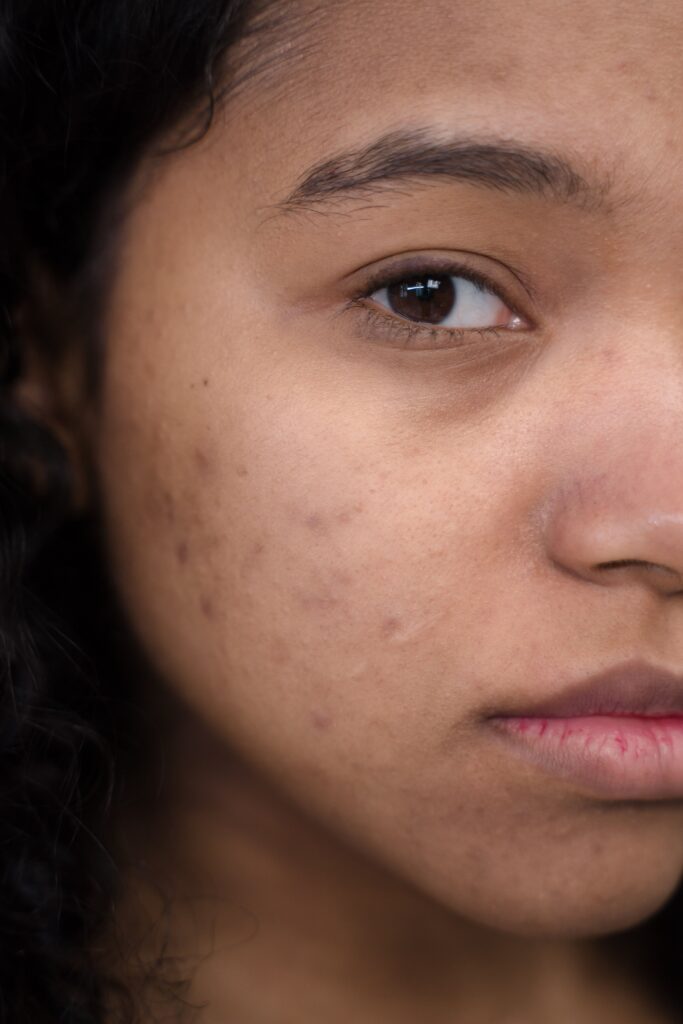
Curious what a treatment at VIVA looks like? Watch our treatment demonstration below with the full treatment process with before and afters.

Dr Rupert Critchley MD · Founder, VIVA Skin Clinics · JCCP member
A chemical peel is one of the quickest ways to refresh dull, uneven or congested skin. But with so many types available, and so many before-and-after photos online, it’s hard to know what a chemical peel actually involves, whether it hurts and how much downtime to expect. This guide explains what a chemical peel is and what it does, the different types, exactly what it feels like, recovery, side effects, aftercare and how much a chemical peel costs.
A chemical peel is a skin treatment that applies a controlled acid solution to the skin. The solution loosens the bonds between dead skin cells on the surface so they shed, encouraging the skin to renew itself from below. Depending on the strength, it can also stimulate collagen production in the deeper layers.
You may also hear it called a chemical face peel or a chemical peel facial. These all mean the same thing: a peel applied to the face in a clinic, often as part of a course. Peels can also be used on the neck, chest, hands and back.
By removing the dull, damaged outer layer and encouraging renewal, a chemical peel can help:
We cover sun damage in more detail in these chemical peels could help repair sun damage.
Superficial peels work on the outermost layer of skin, using acids such as salicylic, glycolic, lactic or mandelic acid. They have little downtime and are usually done as a course of three to six. They’re the most popular type in aesthetic clinics.
Medium peels, often using trichloroacetic acid (TCA), reach a little deeper. They give stronger results for pigmentation, lines and scarring, but with visible peeling and around a week of recovery.
Deep peels reach deeper still and are only carried out in specialist medical settings, with significant downtime and recovery.
We use the Obagi Blue Radiance peel, a superficial peel containing salicylic acid. It’s suitable for most skin types, has minimal downtime and is particularly good for dullness, uneven tone, congestion and breakouts.
This is one of the most common questions we’re asked, and the honest answer is: a superficial chemical peel shouldn’t hurt. Most people describe it as uncomfortable for a few minutes at most. How it feels depends mainly on the depth of the peel, the acid used, your skin and how your skin has been prepared.
As the solution is applied, most people feel:
On a scale of one to ten, most people rate a superficial peel at around two to four. The sensation usually builds for a minute or two, peaks, then fades.
With a light peel like ours, the strongest sensation usually lasts only a few minutes while the solution is working. Once the peel is neutralised or removed and a soothing product is applied, the tingling quickly settles. Some people notice a warm, tight feeling for a few hours afterwards.
Yes. The deeper the peel, the more intense the sensation:
That’s why your practitioner will check your skin and ask about your skincare before treatment.
It shouldn’t. After a light peel, skin may feel tight, warm or slightly sensitive for a day or two, and then may feel dry as it flakes. It shouldn’t be painful. Applying a gentle moisturiser and avoiding hot water helps.
Strong burning that doesn’t settle, blistering, crusting, oozing or increasing redness or swelling aren’t expected after a light peel. If you notice any of these, contact the clinic straight away.
Compared with other skin treatments, a light chemical peel is usually gentler than microneedling and less uncomfortable than laser. If you’re nervous, tell your practitioner; we can start with a milder approach.
A light chemical peel usually takes around 30 minutes, and you can go back to your day straight afterwards. If you have an event coming up, see when to book tweakments before Christmas.
Don’t pick or pull at flaking skin, as this can cause marks or pigmentation.
Light peels are generally well tolerated. Possible side effects include redness, dryness, stinging, flaking and temporary sensitivity. Less commonly, peels can cause changes in pigmentation, particularly in darker skin tones or if the skin isn’t protected from the sun afterwards. Cold sores can flare in people prone to them. Your practitioner will choose a suitable peel and talk you through the risks.
Salicylic acid peels are especially useful for acne-prone skin, because salicylic acid is oil-soluble and can work inside clogged pores. A course can help reduce breakouts and congestion. For deeper acne scarring, peels are often combined with SkinPen microneedling or a vampire facial. Read hormonal acne for more. For deep cleansing without peeling, a Hydrafacial is another option.
A peel may not be suitable if you:
Many people see a glow after one light peel, but a course of three, spaced a few weeks apart, usually gives better, longer-lasting results. For pigmentation or acne, more sessions may be recommended.
In the UK, a light chemical face peel typically costs from around £80 to £200 per session, with medium peels costing more. At VIVA, the Obagi Blue Radiance chemical peel costs £150, or £300 for a course of three. See our price list. Payment plans are available, and VIVA CLUB members get 10% off through the VIVA app.
We offer chemical peels at our clinics in Fitzrovia and Chelsea in London, Tunbridge Wells in Kent and Weybridge in Surrey. Consultations are free, with no obligation to book.
Every treatment at VIVA is carried out by qualified nurses and doctors, so you’re in safe, experienced hands from consultation to aftercare.
Consultations are always free, giving you the chance to talk through your goals, ask questions and get an honest recommendation before you commit. Payment plans are also available across our treatments with Clearpay and Klarna.
You’ll find us at three clinics, with a fourth opening in Surrey this November:
Download the VIVA app to join VIVA CLUB and get 10% off all treatments, plus easy booking and appointment management.
We offer new client bookings and exciting offers monthly, so book soon to secure your appointment. Our consulations are free and we offer flexible finance.
Book online here or through the VIVA app. For any questions, call us on 02037 332199 (Mon–Fri 10am–7pm, Sat 10am–4pm).
While your dedicated practitioner will always be there to answer every last one of your questions in person, this section is here to give you a bit of a head start on some of our most common queries.
A treatment that applies a controlled acid solution to remove dead skin cells and encourage the skin to renew itself.
It brightens skin, evens tone, smooths texture, unclogs pores and softens fine lines.
A light chemical peel shouldn't hurt. Most people feel tingling, warmth or mild stinging for a few minutes, which settles quickly.
After a light peel, most people have mild redness and some flaking for a few days. Deeper peels need longer.
A course of around three light peels, a few weeks apart, usually gives the best results.
At VIVA, a chemical peel costs £150, or £300 for a course of three.
We have two convenient locations in London and one in Kent located in beautiful Tunbridge Wells. Click below to find your nearest VIVA!
Get our special offers, see before and afters and learn more about what makes VIVA Skin clinics the Uk’s leading cosmetic clinic.