As seen on

Curious what a treatment at VIVA looks like? Watch our treatment demonstration below with the full treatment process with before and afters.

Dr Rupert Critchley MD · Founder, VIVA Skin Clinics · JCCP member
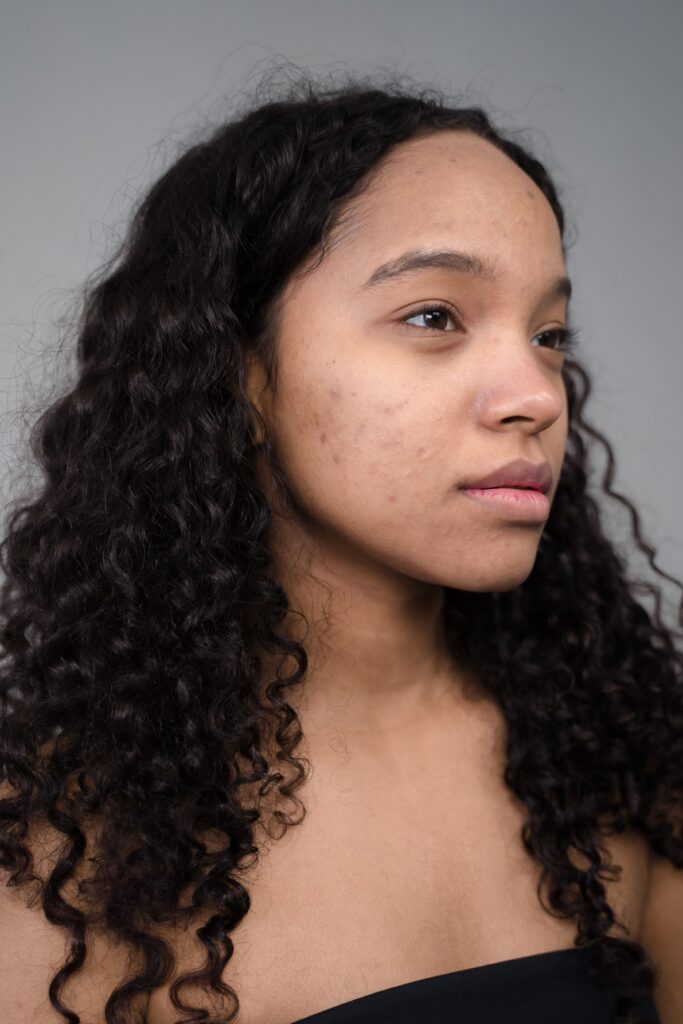
Hormonal acne is frustrating, especially when it appears well after your teenage years, keeps coming back in the same places and doesn’t respond to the products that used to work. The good news is that with the right approach, most people can bring it under control. This guide explains what hormonal acne is, what causes it, how to stop hormonal acne coming back, how to treat it at home and in clinic, whether vaping can cause it, and when to see a doctor.
Hormonal acne is acne linked to changes in hormone levels. It’s most common in women in their 20s to 40s, but it can affect anyone, including men and people going through menopause. Hormones called androgens, such as testosterone, increase the oil (sebum) your skin produces. Extra oil, combined with dead skin cells and bacteria, blocks pores and leads to spots.
If your acne comes with irregular periods, excess hair growth, thinning hair or weight changes, see your GP, as these can be signs of PCOS. If PCOS causes unwanted facial or body hair, read will laser hair removal work for PCOS?
You can’t switch off your hormones, but you can stop them from causing constant breakouts. Stopping hormonal acne usually means tackling it from several angles at once:
Skin takes time to respond. Most acne treatments need 8–12 weeks to show their full effect, so give a routine time before changing it.
If breakouts flare before your period, be extra consistent with your routine in the week or two beforehand, and avoid introducing new products then.
For persistent hormonal acne, medical treatments from your GP or a dermatologist can target the hormones driving it (see below).
Professional treatments such as chemical peels and Hydrafacial can clear congestion and calm breakouts faster than skincare alone.
Sleep, stress management and a balanced diet all affect your hormones and your skin.
Home care helps, but moderate or persistent hormonal acne usually needs proper treatment.
Your GP or a dermatologist may suggest:
There’s no instant cure, but you can calm a flare-up more quickly:
Vaping isn’t a direct cause of hormonal acne, but it may make breakouts worse for some people. Nicotine can affect blood flow and skin healing, vaping can dry out the skin, and frequent hand-to-face contact around the mouth may spread bacteria. If you vape and notice more breakouts around your mouth and chin, cutting down may help your skin.
The chin and jawline are the classic areas for hormonal acne, because the oil glands there are particularly sensitive to androgens. Spots in this area tend to be deeper and more tender. Targeted skincare, peels and, if needed, medical treatment all help.
It often improves with age, but it can continue for years, particularly with conditions like PCOS or during perimenopause. The right treatment plan can usually bring it under control and stop it coming back as often.
At VIVA, chemical peels cost £150 (or £300 for three), a Classic Hydrafacial is £159, and SkinPen microneedling is £300 per session. See our price list. Payment plans are available, and VIVA CLUB members get 10% off through the VIVA app.
We treat congested and acne-prone skin at our clinics in Fitzrovia and Chelsea in London, Tunbridge Wells in Kent and Weybridge in Surrey. Consultations are free. See Hydrafacial in London and Hydrafacial in Tunbridge Wells, or find out what happens at your first consultation.
Every treatment at VIVA is carried out by qualified nurses and doctors, so you’re in safe, experienced hands from consultation to aftercare.
Consultations are always free, giving you the chance to talk through your goals, ask questions and get an honest recommendation before you commit. Payment plans are also available across our treatments with Clearpay and Klarna.
You’ll find us at three clinics, with a fourth opening in Surrey this November:
Download the VIVA app to join VIVA CLUB and get 10% off all treatments, plus easy booking and appointment management.
We offer new client bookings and exciting offers monthly, so book soon to secure your appointment. Our consulations are free and we offer flexible finance.
Book online here or through the VIVA app. For any questions, call us on 02037 332199 (Mon–Fri 10am–7pm, Sat 10am–4pm).
While your dedicated practitioner will always be there to answer every last one of your questions in person, this section is here to give you a bit of a head start on some of our most common queries.
Acne linked to hormone changes that increase oil production, usually on the chin, jawline and around the mouth.
Use consistent skincare with salicylic acid and a retinoid, add in-clinic treatments like peels, and see your GP for medical treatment if it persists.
Hormone changes that increase oil production, linked to periods, PCOS, pregnancy, perimenopause, contraception and stress.
Avoid picking, keep pillowcases and phone screens clean, manage stress and use gentle, consistent skincare.
Not directly, but it may make breakouts worse by drying the skin and affecting healing.
Salicylic acid peels can help unclog pores and calm breakouts, best alongside a good skincare routine.
We have two convenient locations in London and one in Kent located in beautiful Tunbridge Wells. Click below to find your nearest VIVA!
Get our special offers, see before and afters and learn more about what makes VIVA Skin clinics the Uk’s leading cosmetic clinic.