









As seen on


Curious what a treatment at VIVA looks like? Watch our treatment demonstration below with the full treatment process with before and afters.

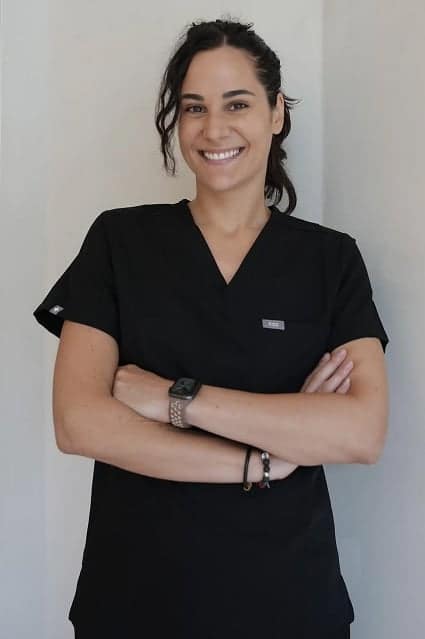
Dr Rupert Critchley MD · Founder, VIVA Skin Clinics · JCCP member
Polynucleotides are one of the most searched-for skin treatments in the UK right now, especially for the delicate skin under the eyes. But what are polynucleotides, what do they do, do they actually work, and how long do they last? This guide answers the questions people ask most, in plain English, including polynucleotides under the eyes, before and after results, safety, whether they’re worth it, combining them with other treatments, and what they cost at VIVA.
Polynucleotides are chains of purified DNA fragments, usually sourced from fish such as salmon or trout. They go through an intensive purification process, so what’s left is highly compatible with human tissue. Injected into the skin, they’re designed to support the skin’s own repair processes rather than add volume or freeze movement.
You may also see the term PDRN (polydeoxyribonucleotide). This is a closely related ingredient made from shorter DNA fragments. Some products, such as Lumi Eyes, use PDRN.
Polynucleotide treatment is a course of injections that places small amounts of polynucleotides into the skin of a chosen area, most often under the eyes, across the face or on the neck. It’s classed as a skin booster or “bio-stimulator” because it works by encouraging the skin to improve itself, rather than by filling or relaxing anything. Each session takes around 20–30 minutes, and most people have a course of three.
Polynucleotides act as a kind of scaffold and signal in the skin. They’re thought to:
In practical terms, people use them to help with:
Polynucleotides don’t lift or add volume. If hollows under the eyes are your main concern, tear trough filler may be more suitable.
For many people, yes, but it’s important to have realistic expectations. Clinical research on polynucleotides and PDRN in skin and wound healing is encouraging, and many patients notice improvements in skin hydration, texture, fine lines and crepiness, especially under the eyes. However, aesthetic research is still developing, products and techniques vary, and results differ from person to person.
Polynucleotides tend to work best for people whose main concern is skin quality. They won’t give the instant change you’d see with filler, and they won’t relax expression lines like anti-wrinkle injections. Your practitioner will tell you honestly whether they’re likely to help you.
The under-eye area is the most popular place for polynucleotide treatment. The skin there is the thinnest on the face, it shows tiredness and ageing early, and it’s an area where many other treatments are less suitable.
Polynucleotides can help improve the quality of thin, crepey under-eye skin, soften fine lines and give a fresher look. Unlike filler, they don’t add volume, so there’s less risk of puffiness. They’re often a good option for people who aren’t suitable for tear trough filler or would like a subtler approach. If dark circles are your main concern, they’re often part of the plan.
At VIVA, we offer Lumi Eyes, a PDRN under-eye treatment, alongside Vitaran polynucleotides. Read more in polynucleotide treatment under the eyes and how to get rid of eye bags.
Polynucleotides work gradually, because they rely on your skin’s own renewal:
Most people see the clearest results around four to eight weeks after their final session.
After a full course, results typically last around six to twelve months. How long they last depends on your age, skin condition, lifestyle and the area treated. Most people keep results going with a maintenance session every six to twelve months. Sun protection, not smoking and good skincare all help.
Polynucleotides are generally considered safe when injected by a trained medical professional using a regulated product. Because they’re highly purified and similar to the body’s own DNA, the risk of reaction is low. Side effects are usually mild and short-lived, and can include:
Because most polynucleotides are fish-derived, they aren’t suitable if you have a fish or seafood allergy. They also aren’t suitable during pregnancy or breastfeeding, or over an active skin infection. Your practitioner will review your medical history and talk you through all possible risks before treatment.
Polynucleotides are likely to be worth it if:
They may not be the best choice if you want an instant result, have deep hollows, or mainly want to soften expression lines. In those cases, filler or anti-wrinkle injections may suit you better.
Most people have a course of around three sessions, spaced two to three weeks apart, followed by maintenance every six to twelve months.
Yes. They do different jobs: anti-wrinkle injections relax expression lines, while polynucleotides improve skin quality. They’re often combined, and your practitioner will advise on timing.
Yes. Profhilo mainly hydrates the skin, while polynucleotides support its repair, so they can work well together as part of a skin-quality plan. See skin boosters vs dermal filler.
Yes. Polynucleotides are sometimes used alongside SkinPen microneedling, particularly for texture and acne scarring.
At VIVA, polynucleotide treatment for the eyes or face costs £249 per session, with three-session packages available. Lumi Eyes PDRN treatment is £149 per session, or £99 when added to another injectable treatment, such as anti-wrinkle injections or filler. See our price list. Payment plans are available, and VIVA CLUB members get 10% off through the VIVA app.
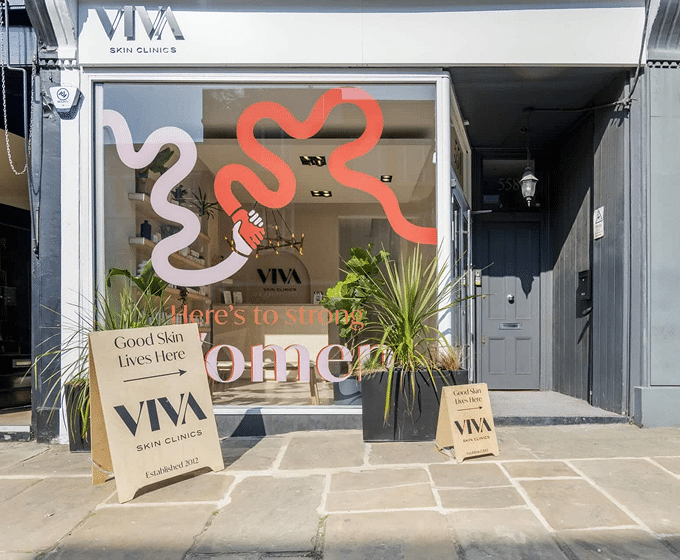
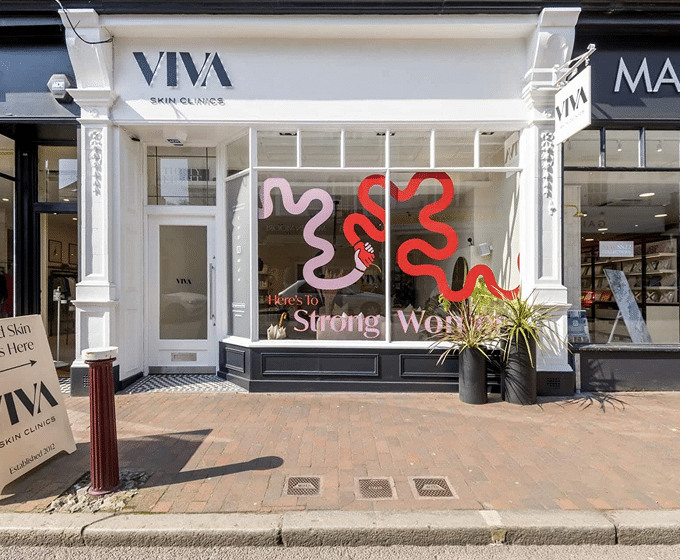
We offer polynucleotide treatments at our clinics in Fitzrovia and Chelsea in London, Tunbridge Wells in Kent and Weybridge in Surrey. All treatments are carried out by nurses and doctors, and consultations are free. Find out more about polynucleotides in London, polynucleotide treatment in Kent and Lumi Eyes in Kent.
Every treatment at VIVA is carried out by qualified nurses and doctors, so you’re in safe, experienced hands from consultation to aftercare.
Consultations are always free, giving you the chance to talk through your goals, ask questions and get an honest recommendation before you commit. Payment plans are also available across our treatments with Clearpay and Klarna.
You’ll find us at three clinics, with a fourth opening in Surrey this November:
Download the VIVA app to join VIVA CLUB and get 10% off all treatments, plus easy booking and appointment management.
We offer new client bookings and exciting offers monthly, so book soon to secure your appointment. Our consulations are free and we offer flexible finance.
Book online here or through the VIVA app. For any questions, call us on 02037 332199 (Mon–Fri 10am–7pm, Sat 10am–4pm).
While your dedicated practitioner will always be there to answer every last one of your questions in person, this section is here to give you a bit of a head start on some of our most common queries.
Purified DNA fragments, usually from fish, injected into the skin to support its natural repair and improve skin quality.
They support collagen and elastin production, hydration and skin repair, helping with crepey skin, fine lines and dullness.
Many people see improvements in skin quality, especially under the eyes, though results vary and research is still developing.
Improvements build gradually, usually becoming noticeable from around four weeks, with the best results four to eight weeks after your course.
Typically six to twelve months after a full course, with maintenance sessions to keep results going.
They're generally considered safe when injected by a trained medical professional. They aren't suitable if you have a fish allergy or are pregnant.
They're worth considering if your main concern is skin quality, especially crepey under-eye skin, and you want a gradual, natural result.
At VIVA, polynucleotide treatment costs £249 per session, with packages and payment plans available.
We have two convenient locations in London and one in Kent located in beautiful Tunbridge Wells. Click below to find your nearest VIVA!
Get our special offers, see before and afters and learn more about what makes VIVA Skin clinics the Uk’s leading cosmetic clinic.